Invoice Payment Methods Compared: ACH, Wire, Card, PayPal, Crypto
Every invoice payment method compared: fees, speed, reliability, and international support. Learn which to accept for your business and which to avoid.

ACH / bank transfer (US) and SEPA (EU)
Cheapest to receive (usually free or under $1 per transfer). Slowest for the client to set up but almost frictionless after the first transaction. Settlement takes 1–3 business days. Best default for B2B invoices above $500 in the US and EU.
International wire transfers
Reliable and universally accepted, but expensive: $15–$45 per transfer plus a hidden FX spread that can cost 2–4% of the invoice value. Use for large international invoices where the fees are proportionally small. Consider Wise or Revolut Business for smaller international invoices — they cost a fraction of a traditional wire.
Credit and debit cards (Stripe, Square)
Convenient for the client, immediate for you (within 1–2 business days). Processing fees are 2.9% + 30¢ per transaction in the US, and higher for international cards. Best for invoices under $500 where the convenience justifies the fee, and for consumer-facing businesses where cards are expected.
PayPal and Wise
Fast to set up, works across most countries. PayPal fees are high (3.49% + fixed fee for goods and services) and disputes can freeze funds. Wise is cheaper for currency conversion and cleaner for freelancers billing international clients. Neither is a good primary method for regular B2B invoicing.
Cryptocurrency (USDC, BTC)
Nearly instant settlement and low fees on stablecoin rails, but comes with compliance and volatility considerations. Reasonable for tech-native clients who explicitly request it; not appropriate as a default option because most clients cannot pay it and most accountants do not want to reconcile it.
Put this into practice in 30 seconds.
Open the invoice generator, pick a template, and send a professional invoice — no signup, no limits, free forever.
Create an invoiceKeep reading

How to Write an Invoice: A Step-by-Step Guide for 2026
Every invoice you send is a small legal document and a marketing artifact at the same time. Here's the exact structure that gets paid in seven days instead of forty.
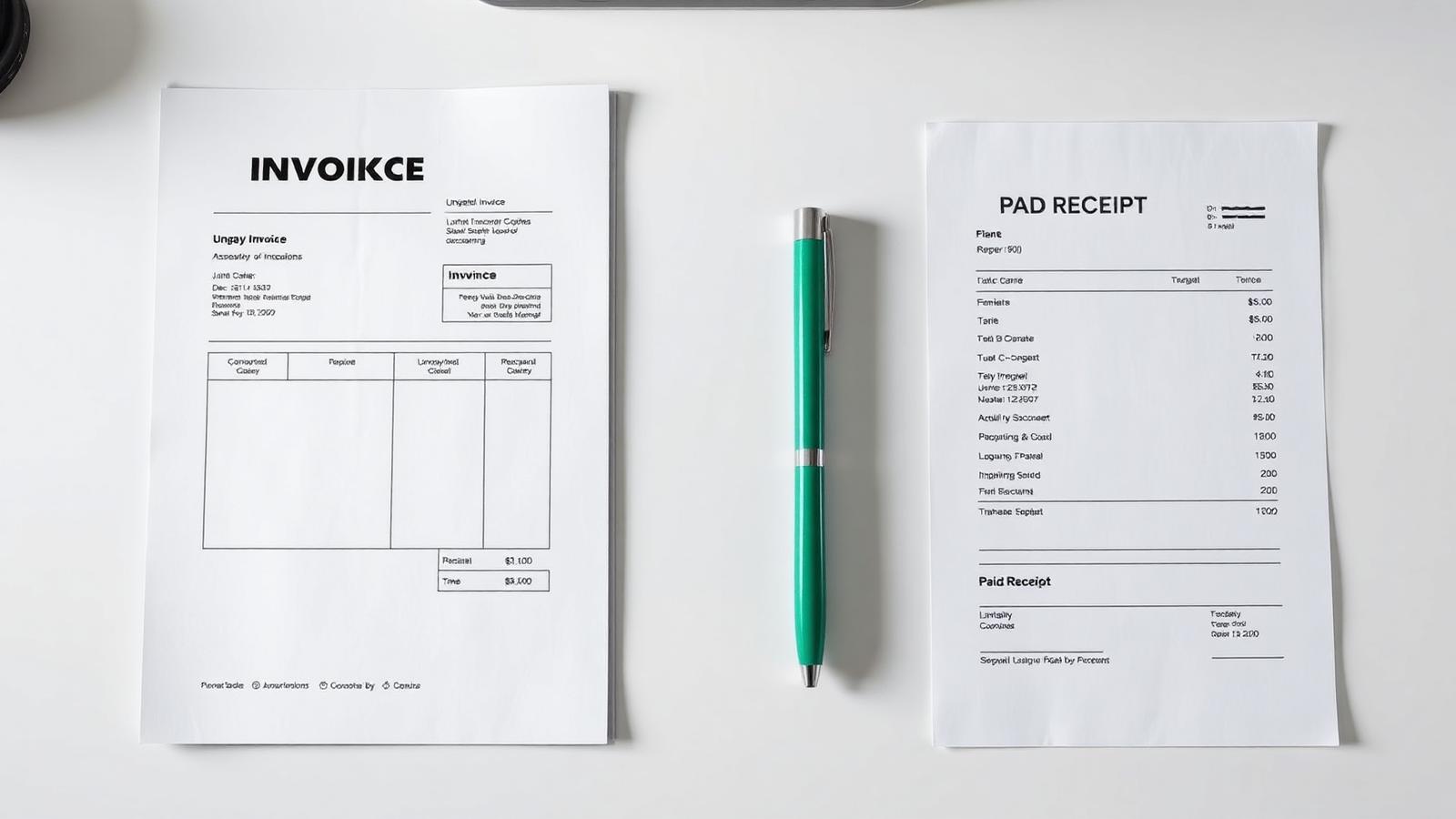
Invoice vs Receipt: The Difference, With Examples
An invoice asks for money; a receipt confirms it arrived. Getting the two mixed up confuses your client, your accountant, and eventually the tax office.

Net 30 Payment Terms Explained: When to Use Them (and When Not To)
'Net 30' is the default nobody chose. Understanding what payment terms actually mean is the fastest way to shorten the gap between finishing work and getting paid.